To save money on budget household essentials, shoppers should focus on strategic bulk purchasing of non-perishables and switching to cost-effective store brands. Implementing DIY cleaning solutions and meal planning further reduces monthly expenditures; additionally, replacing disposable items with reusable alternatives minimizes recurring costs.
Maintaining a sophisticated home often feels like a constant battle against rising costs, especially when basic staples seem to consume an ever growing portion of your monthly income. It is frustrating to realize that your hard earned dollars are disappearing into mundane necessities like paper goods and cleaning supplies, leaving little room for the things that truly bring you joy. Managing these essentials requires more than just clipping coupons; it demands a strategic, expert approach to home management. In this guide, I will show you how to navigate the 2026 landscape by separating your grocery and household budgets to gain total clarity. You will discover the definitive essentials shopping list, the math behind bulk buying versus intentional curation, and practical habits that slash expenses. We will even explore how to find incredible value right here in Spanish Fork, ensuring your home remains a sanctuary of efficiency and style.
The 2026 Approach to Budget Household Essentials
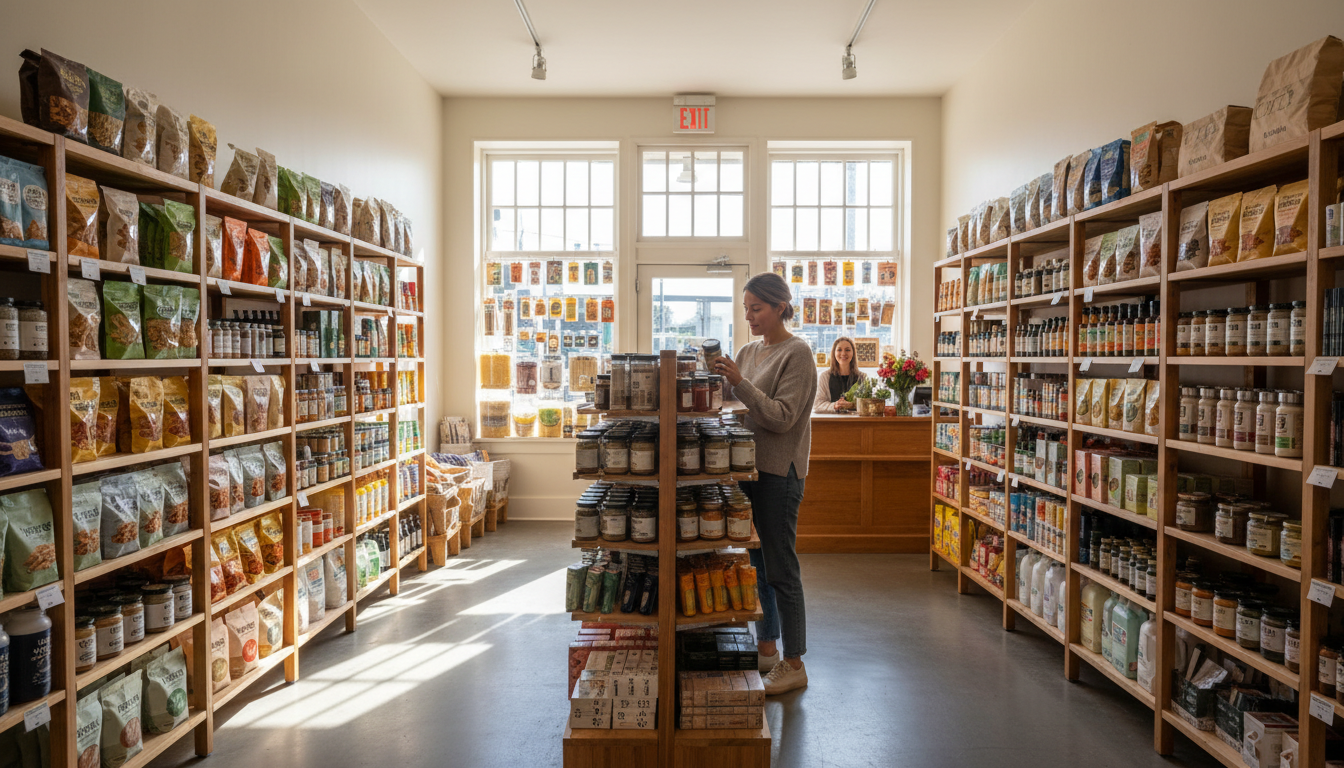
The economic landscape of 2026 marks a significant departure from the era of disposable consumption. Shoppers are increasingly rejecting the false economy of cheap goods that require frequent replacement, opting instead for products that are both affordable and dependable. At Janet Shops, we support this shift through a curated selection of everyday essentials designed for the Spanish Fork community. Our approach prioritizes long term value, ensuring that practicality never comes at the expense of quality.
To manage a modern home budget effectively, it is necessary to distinguish between groceries and budget household essentials. Groceries are the perishable items consumed at the table, while household essentials represent the functional components of your living space. This category includes cleaning supplies, home maintenance tools, paper goods, and daily lifestyle implements. Separating these costs allows for better financial tracking and prevents the hidden expenses of home upkeep from inflating the food budget. By focusing on intentional curation rather than mass accumulation, we help our neighbors build homes that are efficient, sustainable, and fiscally sound. You can learn more about Janet Shops and our commitment to providing reliable goods that simplify your daily routine.
Why You Should Separate Your Household and Grocery Budgets
Combining paper towels and produce into a single line item creates a lack of financial transparency. While food prices fluctuate based on seasonal availability and dietary changes, budget household essentials remain remarkably consistent. By tracking these separately, you can identify precisely where waste occurs. For example, a high monthly grocery bill might be blamed on inflation when it is actually driven by impulse purchases of trendy storage containers or specialty cleaners that were added to the cart out of convenience.
Under the traditional 50:30:20 framework, 50% of income is allocated to needs. To refine this for 2026, subdivide that 50% into two distinct categories: Food and Home Maintenance. This structural shift provides a clearer view of recurring costs. If your home maintenance sub-category consistently exceeds its limits, it is likely a sign of lifestyle creep through non-essential gadgets rather than the actual depletion of staples. A separate ledger ensures that a spike in food costs does not lead to neglecting necessary home repairs, and conversely, that a home improvement project does not cannibalize the family food budget.
At Janet Shops, we see the benefit of this discipline firsthand. You can contact us for local availability of the specific, reliable tools that fit within a disciplined home maintenance budget. When you know your exact monthly burn rate for dish soap, light bulbs, and filters, you can shop with intent rather than anxiety. This predictability allows for better long term planning and helps prevent the phantom expenses that often derail a family budget.
The Definitive Budget Household Essentials Shopping List
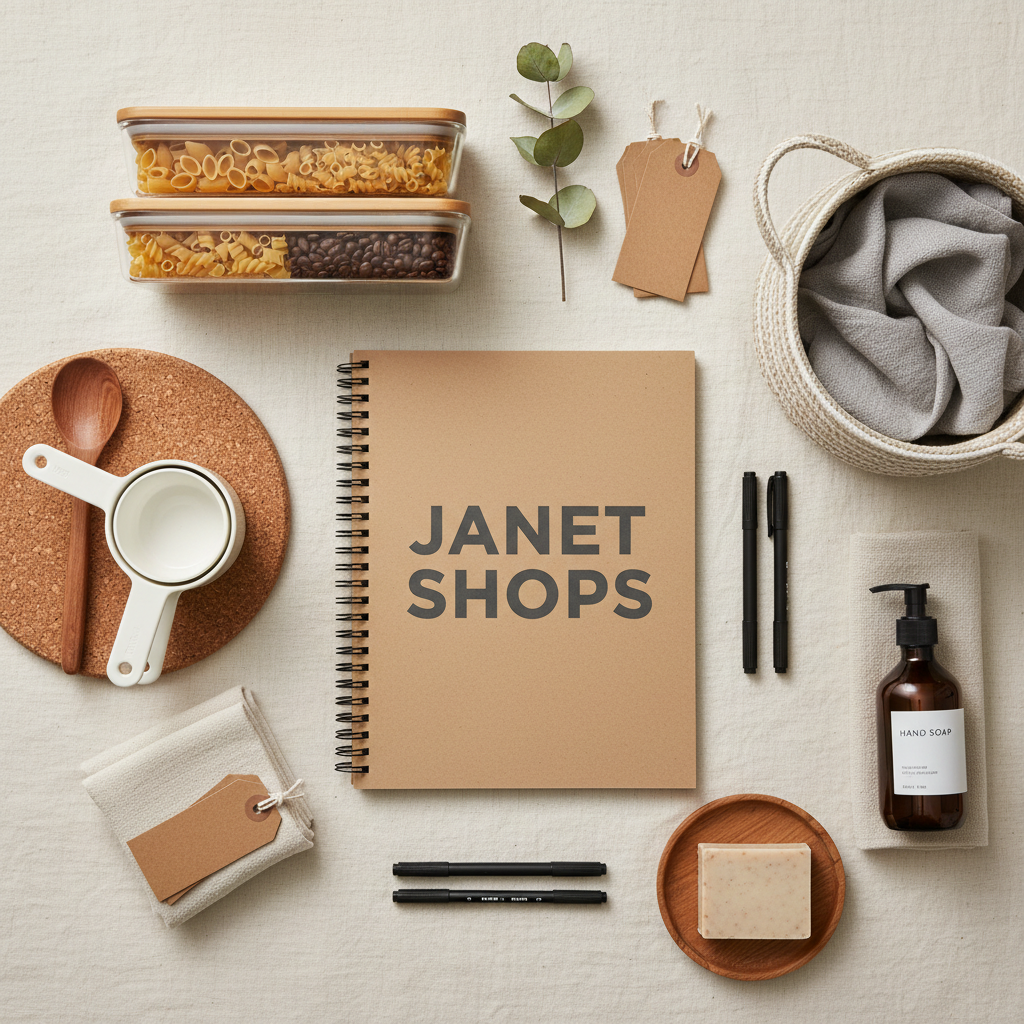
Managing a home efficiently requires a tiered approach to inventory. Instead of purchasing everything in a single trip, categorize your budget household essentials into recurring consumables and infrequent maintenance tools. This list focuses on high-utility items that serve multiple functions, reducing the need for specialized chemicals that clutter cabinets and drain funds. At Janet Shops, we maintain a curated selection of everyday essentials to ensure your pantry and utility closets remain functional without unnecessary excess.
Kitchen Essentials - Dish Soap: Select a concentrated formula that can be diluted for light cleaning tasks. - Sponges: Heavy-duty, dual-sided scouring pads handle both delicate glassware and stubborn cookware. - Storage: Heavy-gauge aluminum foil and resealable storage bags are vital for food preservation, directly reducing grocery waste.
Bathroom Essentials - Toilet Paper: Prioritize sheet density and ply-count over brand-name marketing. - Plunger: A sturdy flange plunger is a non-negotiable tool that prevents expensive emergency plumbing calls. - Basic Cleaner: A single reliable bathroom disinfectant can handle soap scum and hard water deposits.
General Maintenance - Power and Light: Maintain a small inventory of alkaline batteries and energy-efficient LED light bulbs. - Multi-Surface Spray: A high-quality, neutral-pH spray works for dusting, wiping counters, and cleaning glass surfaces.
Item Category | Purchase Strategy | Budget Logic |
|---|---|---|
Toilet Paper & Soap | Stock-up | High-use items with stable shelf lives benefit from bulk acquisition. |
Light Bulbs & Batteries | Stock-up | These are critical failure items; having them on hand avoids convenience store markups. |
Plungers & Tools | Buy as Needed | High-quality versions are one-time purchases; prioritize durability over price. |
Specialty Sponges | Buy as Needed | Cleaning tools degrade over time; buy only what is necessary for the quarter. |
Focusing on multi-purpose products is the most effective way to keep the budget lean. A single multi-surface concentrate often replaces glass cleaners, floor cleaners, and countertop sprays. This reduction in variety ensures every drop of product is used, maximizing the value of every dollar spent.
Bulk Buying vs. Intentional Curation: What Actually Saves Money?

Refining your strategy for budget household essentials requires recognizing that not every item belongs in a warehouse cart. The strategy of buying in massive quantities is often marketed as the ultimate thrift, yet it frequently results in a false economy. When households store excessive inventory, they face hidden costs, such as the loss of usable living space and a psychological tendency to use resources more wastefully. If you have a fifty pack of sponges, you are less likely to maintain them, leading to faster disposal and higher long term spending.
Bulk purchasing is most effective for non perishable foods and high frequency paper goods. As noted in recent consumer research, items like rice, oats, and pasta are stable, predictable, and safe to buy in larger formats because they do not spoil. Similarly, toilet paper is a logistical necessity where buying in quantity reduces the per unit cost without the risk of product degradation. These items represent the few areas where sheer volume translates to actual savings.
Conversely, the Buy It For Life philosophy applies to tools and textiles. Instead of repeatedly purchasing thin, synthetic linens, investing in a single, high quality wool blanket provides superior warmth and longevity. The same logic applies to kitchen hardware. A single cast iron pan, properly maintained, will outlast a dozen cheap, non stick alternatives that eventually flake and fail. This intentional curation is at the heart of our curated selection of everyday essentials. By choosing one dependable analog tool over a battery operated gadget, you eliminate recurring costs and clutter. You can learn more about Janet Shops and how we vet products to ensure they meet these standards of long term dependability.
Smart Budgeting Rules: The 50-30-20 and the 27.40 Rule
Adopting a structured framework ensures your spending remains aligned with your long term financial objectives. The 50/30/20 rule provides a clear baseline: 50% of your income covers needs, 30% goes toward wants, and 20% is dedicated to savings or debt reduction. Within this model, budget household essentials represent a significant portion of the needs category. By strictly defining these staples, you prevent lifestyle creep from masquerading as a necessity.
To visualize the impact of minor adjustments, consider the $27.40 rule. By saving just $27.40 every day, you accumulate $10,000 over the course of a year. While this figure sounds daunting, it is achievable by eliminating small, recurring wastes. Replacing disposable paper towels with durable cloth alternatives or opting for multi-purpose concentrates from a curated selection of everyday essentials creates the daily margins needed to reach that goal.
Impulse purchases often derail even the best plans. To combat this, apply the 3-3-3 rule: wait three days before buying a non-urgent item, compare prices or quality at three different sources, and ask yourself three questions regarding the item’s durability and utility. This pause allows for a more intentional approach to shopping, ensuring every dollar spent contributes to a more efficient and dependable home. If you have questions about specific product lifespans, you can contact us for local availability and expert advice on choosing long lasting staples.
Frugal Home Habits to Reduce Monthly Expenses
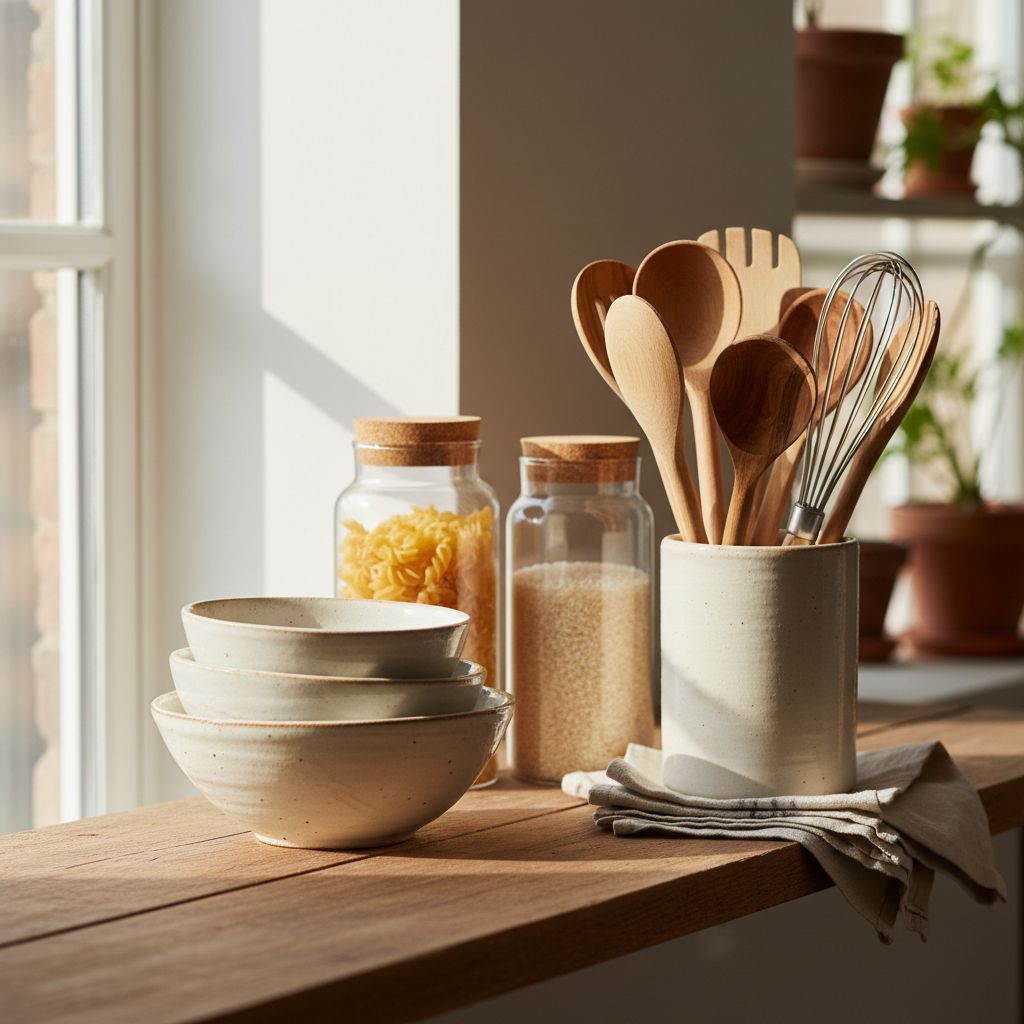
Lowering the cost of home maintenance requires a combination of disciplined procurement and efficient daily habits. In a climate like Spanish Fork, utility management is a primary lever for savings. Adjusting thermostats by just a few degrees and favoring layers in winter or cross-ventilation in summer reduces the strain on HVAC systems. Eliminating vampire power by unplugging small appliances, like toaster ovens or charging docks when not in use, prevents minor energy leaks from accumulating on your monthly bill.
Shifting toward DIY solutions further optimizes your inventory of budget household essentials. A simple mixture of white vinegar and water serves as an effective glass and surface cleaner, while baking soda provides the necessary abrasive for scouring sinks and tubs. By integrating these staples with a curated selection of everyday essentials, you minimize the need for specialized, expensive chemicals.
Habit | Financial Impact | Method |
|---|---|---|
Cloth Conversion | High | Replace paper towels with microfiber or cotton rags. |
Vampire Power | Low/Moderate | Unplug non-essential kitchen and office electronics. |
DIY Cleaners | Moderate | Use vinegar/baking soda for 80% of cleaning tasks. |
Local Cycles | Variable | Sync large purchases with Spanish Fork seasonal sales. |
Transitioning from paper to cloth for towels and napkins is one of the most effective ways to permanently remove a recurring line item from your budget. Furthermore, residents in the Spanish Fork area should monitor local sales cycles, particularly during seasonal shifts in the spring and fall, to replenish high-use items. If you need guidance on which durable textiles best suit this transition, you can contact us for local availability to find long-lasting options that outperform disposable alternatives.
Shopping Local in Spanish Fork for Better Value
Shopping locally at a community marketplace offers a distinct financial advantage over high volume retailers. While big box stores rely on vast inventories that trigger browsing fatigue, a curated selection of everyday essentials focuses on vetted dependability. This model of curated affordability ensures you avoid the trap of replacing failed, low quality items.
By narrowing choices to what actually works, we eliminate the hidden costs of trial and error. Our Spanish Fork location prioritizes personalized service over upselling, helping you identify exactly which budget household essentials fit your specific requirements. You can learn more about Janet Shops and how our local focus translates into tangible value. To verify stock before visiting, contact us for local availability and expert guidance.
Maintaining a budget for your household essentials in 2026 requires a mix of strategic timing and bulk purchasing. By staying intentional with your staples, you can ensure your home remains stocked without overspending. However, navigating the complexities of modern grocery pricing often takes significant effort. If you want expert help optimizing your shopping list or finding the best local deals, I am available to assist you. You can read more on my About page to see if my professional approach and services are a good fit for your needs.