Warm minimalism home decor blends an uncluttered aesthetic with natural materials like aged wood, linen, and stone to create an inviting, lived-in feel. To achieve this 2026 look affordably, prioritize soft neutrals and curved lines while adding tactile layers through simple swaps like textured blankets or organic hardware.
The era of the sterile, clinical interior has officially reached its expiration date. Many homeowners find themselves trapped in rooms that feel more like cold galleries than comfortable sanctuaries, exhausted by the flat, monochromatic gray palettes that dominated the last decade. As we look toward 2026, the design landscape is shifting toward a more soulful approach that prioritizes human connection and organic comfort. This evolution, known as warm minimalism, proves that you can maintain a clutter-free environment without sacrificing the inviting textures of a well-loved home. In this guide, I will explore why we are leaving stark whites behind in favor of clay and wood. You will learn how to blend modern cottage elements with minimalist principles, master the art of tactile layering, and execute high-impact weekend swaps, from hardware updates to curated shelf styling, that transform your space into a sophisticated retreat.
The Shift to Warm Minimalism: Why 2026 is Leaving Gray Behind
For years, interior design was defined by a sea of cool grays and sterile whites. While this minimalist approach offered a clean slate, it often felt uninviting and disconnected from the natural environment of the Utah Valley. As we look toward 2026, the aesthetic is evolving into what experts call warm minimalism. This shift replaces the flat, industrial look of the past decade with a palette rooted in nature; think mossy greens, clay terracotta, and sandy beiges that reflect the landscape outside our doors in Spanish Fork.
Adopting warm minimalism home decor does not mean returning to the chaotic layers of cluttercore. Instead, it emphasizes a thoughtful product selection where quality outweighs quantity. Every item in a room must justify its presence through both utility and tactile beauty. In 2026, the focus is on natural materials that age gracefully, such as solid wood, hand-woven linens, and matte-finished stone. These elements provide a sense of permanence and reliability that synthetic materials simply cannot replicate.
At Janet Shops, we believe that a well-designed home should feel dependable and easy to maintain. This evolution toward warmth is about creating spaces that are physically comfortable. Replacing cold, synthetic finishes with organic textures ensures that a home feels lived-in rather than just looked at. By choosing a curated selection of everyday essentials, homeowners can achieve this sophisticated look without a full renovation. The goal is a balanced environment where functionality meets a soft, nature-inspired aesthetic, ensuring your space remains both practical and deeply welcoming.
Modern Cottage Meets Minimalism: The Best of Both Worlds
This evolution toward warmth often manifests as a hybrid between modern cottage style and the clean geometry of minimalism. While traditional minimalism can sometimes feel sharp or rigid, the modern cottage influence introduces soft, rounded edges and a sense of history. This approach is central to achieving successful warm minimalism home decor in 2026. It aligns perfectly with the American revival and modern equestrian trends forecasted for the coming years. These trends prioritize heritage-inspired materials, like sturdy leather and classic silhouettes, but present them through a lens of simplicity and order.
In Spanish Fork, this style feels particularly resonant. Many local homes sit at the intersection of rural history and suburban growth. By blending the sharp lines of a modern layout with timeworn finishes, you honor both worlds. Integrating aged wood furniture or hand-thrown clay vessels provides a grounding effect. These pieces possess what mass-produced items lack; a story told through soft imperfections and tactile depth.
To achieve this look without creating clutter, focus on a thoughtful product selection that emphasizes craftsmanship over quantity. For instance, a minimalist dining table can be softened by a set of chairs featuring woven rush seats or an antique bench. The goal is to avoid the museum feel of past decades by keeping surfaces mostly clear, allowing the texture of a single, high-quality everyday home essentials piece to stand out. This balance ensures your home feels sophisticated and current, yet remains rooted in the dependable comfort that characterizes the Utah Valley lifestyle. By mixing clean-lined cabinetry with matte brass hardware or reclaimed wood accents, you create a space that feels both enduring and fresh.
Texture as the New Color: Incorporating Linen, Wood, and Clay
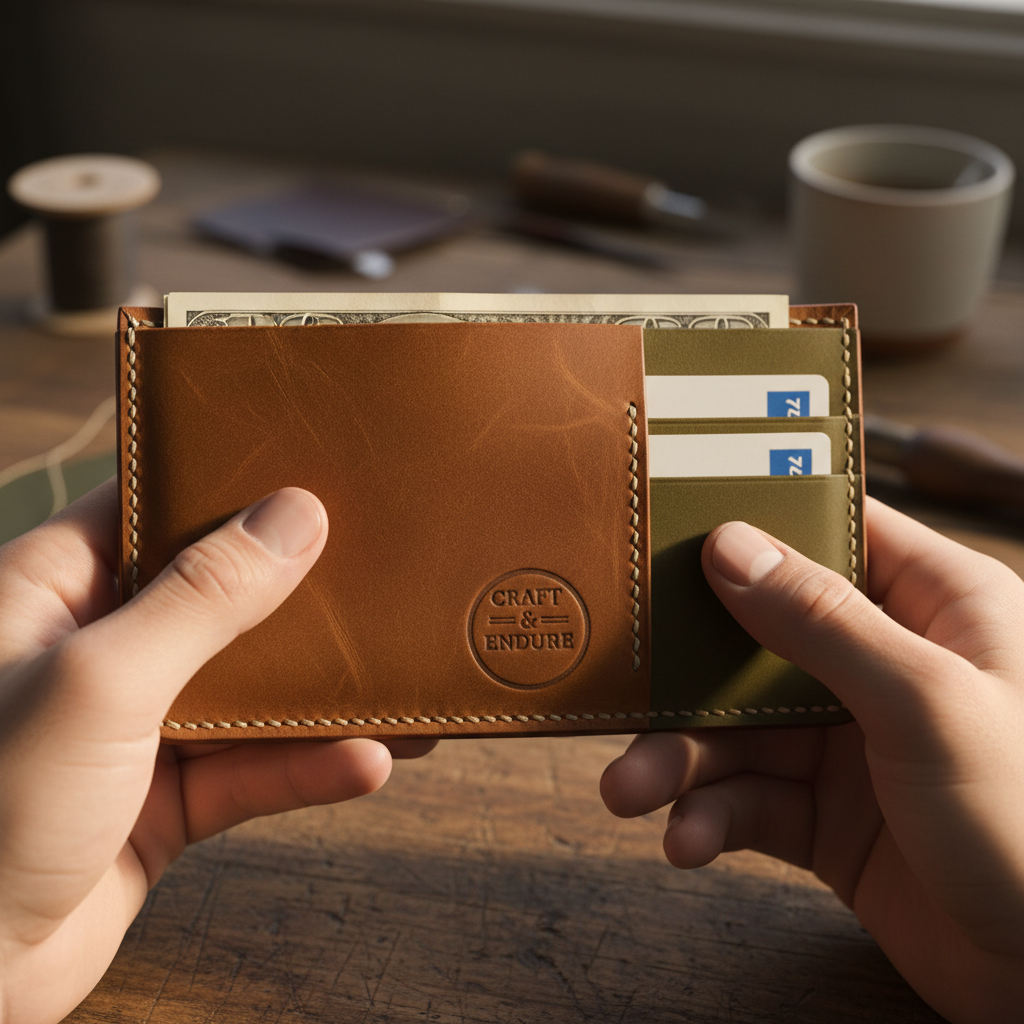
In the past, color did the heavy lifting in interior design. In 2026, texture takes center stage. To achieve authentic warm minimalism home decor, focus on how a room feels to the touch rather than just how it looks in a photograph. Replacing synthetic materials with organic ones creates a sensory depth that makes a minimalist space feel lived-in and welcoming.
Start with your textiles. Synthetic polyester throws or fleece blankets often feel static and thin; they lack the structural integrity needed for a premium look. Replace these with heavy-weight linen or chunky organic cotton. These materials have a natural grain, often called a slub, that creates visual interest through subtle shadows and highlights. A linen duvet or a waffle-weave cotton throw provides breathability and a tactile weight that synthetic fabrics cannot replicate.
Wood introduces a necessary sense of permanence. Move away from gray-washed laminates and toward everyday home essentials made from solid oak or walnut. These warm-toned woods provide a grounding effect in a room. A solid oak stool or a walnut serving tray offers a sturdy, dependable feel. The natural grain of the wood acts as a pattern, allowing you to keep the rest of the room simple without it feeling empty.
Material Category | Transition From | Transition To |
|---|---|---|
Textiles | Thin polyester and fleece | Heavy linen and organic cotton |
Surfaces | Cool-toned laminates | Warm oak, walnut, and teak |
Utensils | Mass-produced plastic | Hand-carved wood and matte clay |
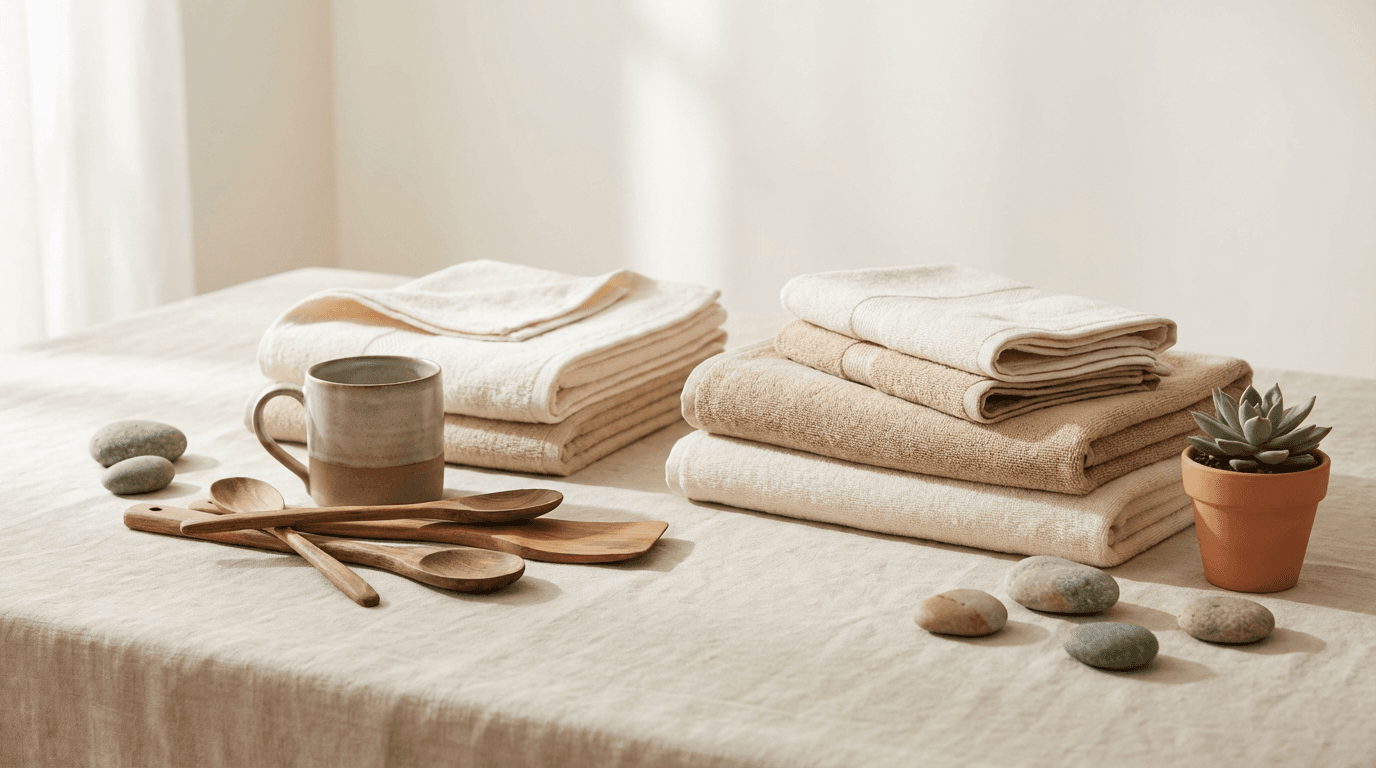
Ceramics and clay bring what designers call soft imperfections to the home. Unlike factory-pressed plastic, a hand-finished matte clay pot or a set of stoneware bowls features slight variations in shape and glaze. In the kitchen, replacing plastic containers with ceramic cellars or wooden utensils adds character. These small choices reflect a thoughtful product selection that prioritizes durability and sensory appeal. By leaning into these organic textures, you create a space that feels curated and intentional, emphasizing quality over quantity.
Kitchen and Dining Swaps: Curated Essentials for a Lived-in Feel
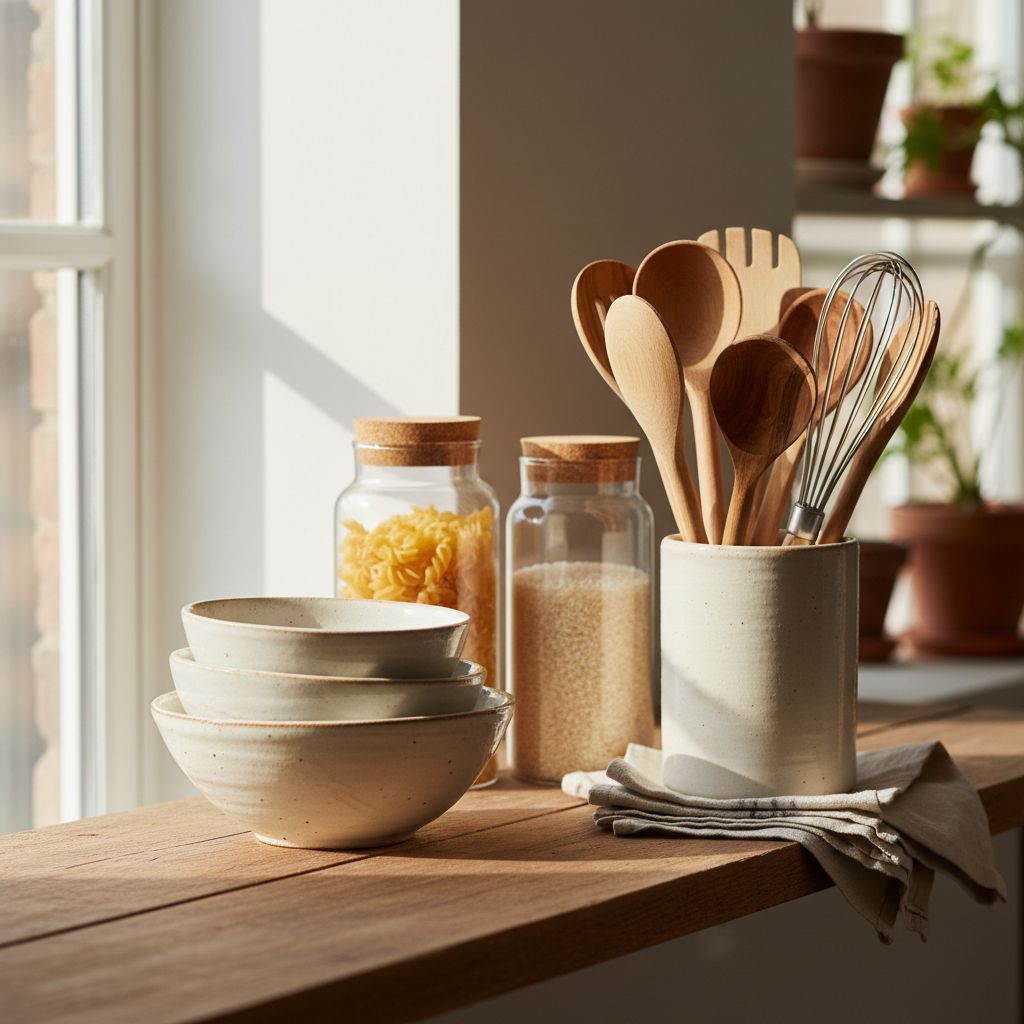
The kitchen serves as the primary hub for daily life, making it the most impactful place to implement warm minimalism home decor. To move away from the sterile kitchen aesthetic of previous years, focus on swaps that prioritize tactile quality and functional beauty. Start with lighting; replacing high-kelvin, bright white bulbs with warm-toned LEDs instantly softens the reflective surfaces of countertops and appliances. This simple change mimics the glow of late afternoon sun, creating an atmosphere that feels inviting rather than clinical.
Transitioning your storage solutions is another practical step toward a more grounded space. Replace mismatched plastic containers with glass jars topped with wooden lids. These everyday home essentials transition seamlessly from the pantry to the countertop, acting as visual anchors. Likewise, swapping silicone or plastic cooking tools for hand-carved wooden spoons or marble crocks adds weight and history to your prep area.
Item to Replace | Warm Minimalism Alternative | Primary Benefit |
|---|---|---|
Plastic Storage | Glass and Bamboo/Wood | Longevity and aesthetic consistency |
Cool White Bulbs | 2700K Warm LED Bulbs | Reduces visual strain; adds warmth |
Decorative Knick-knacks | Stoneware Serving Bowls | Utility combined with natural texture |
The 2026 trend for curated shelving emphasizes a thoughtful product selection where items are out in the open but intentionally chosen. Instead of filling shelves with purely decorative objects, display the pieces you use every morning, such as ceramic bowls and heavy stoneware mugs. This approach ensures your kitchen looks sophisticated without feeling like a museum. By focusing on a curated selection of everyday essentials that serve a daily purpose, you maintain the minimalist principle of "less but better" while fostering a home that feels genuinely lived-in.
Hardware and Lighting: The Low-Cost High-Impact Weekend Project
Refreshing a space does not require a contractor or a massive budget. A frequent question homeowners ask is how to modernize their interiors without a full remodel. The answer lies in the tactile details of hardware and lighting. Replacing dated, cold-toned cabinet pulls with matte brass or turned wooden knobs is a high-impact weekend project. Matte brass introduces a soft, metallic warmth that reflects light gently, while wooden hardware reinforces the connection to natural materials central to warm minimalism home decor. These small swaps represent a thoughtful product selection that elevates the standard builder-grade aesthetic into something that feels custom and intentional.
Lighting serves a similar role, especially during the long Utah winters in Spanish Fork. Transitioning toward biophilic lighting involves selecting lamps and fixtures that mimic the natural rhythm of daylight. Instead of relying on harsh overhead fixtures, integrate lamps with warm, diffused tones that create a soft glow. This approach reduces visual fatigue and makes a room feel anchored. Choosing a curated selection of everyday essentials like task lamps with linen shades or stone bases ensures your lighting serves as both a functional tool and a design element. These everyday home essentials provide the necessary warmth to keep a minimalist home from feeling stark during the darker months.
How to Style Your Shelves for Warm Minimalism
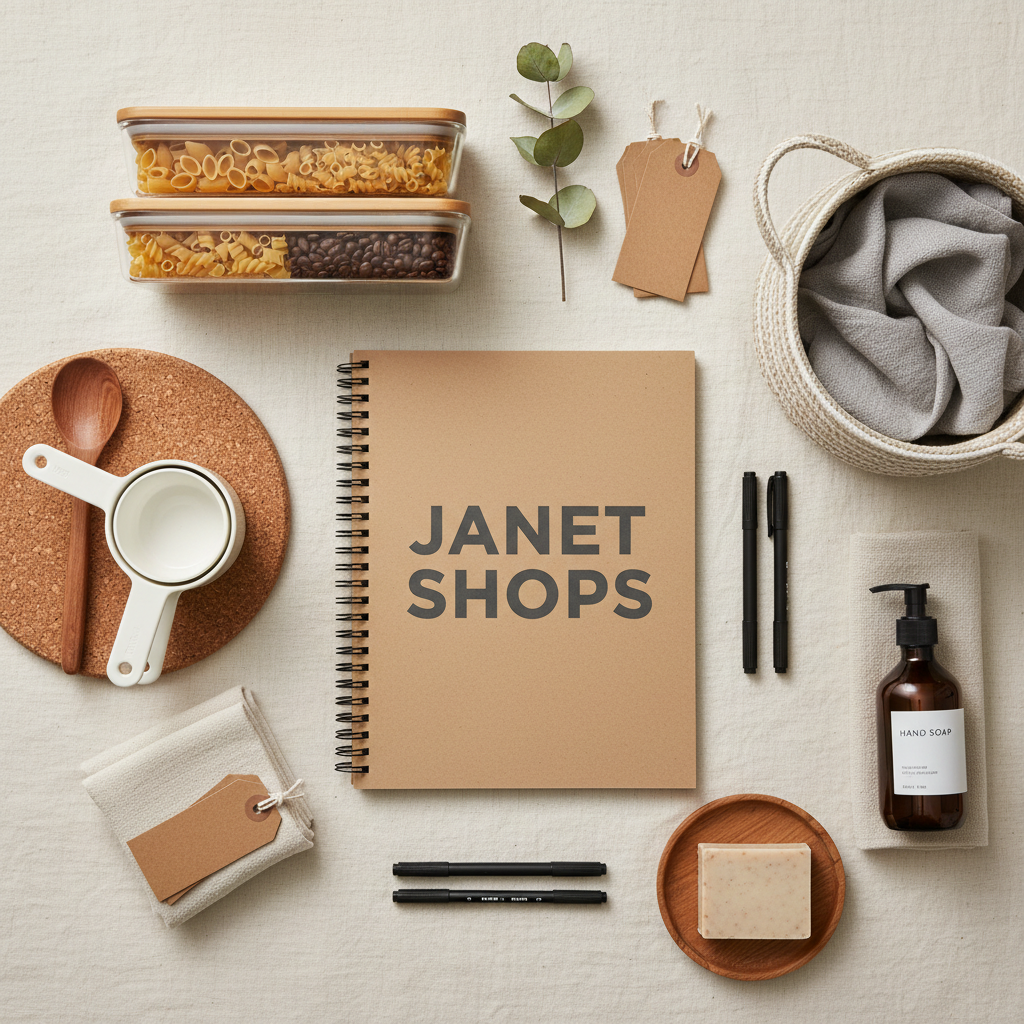
Styling shelves effectively requires resisting the urge to fill every inch. To master warm minimalism home decor, apply the 30 percent rule; leave nearly a third of your shelf space completely empty. This negative space provides visual breathing room and prevents your collection from feeling like clutter. Start by clearing your surfaces and selecting only those items that reflect a thoughtful product selection.
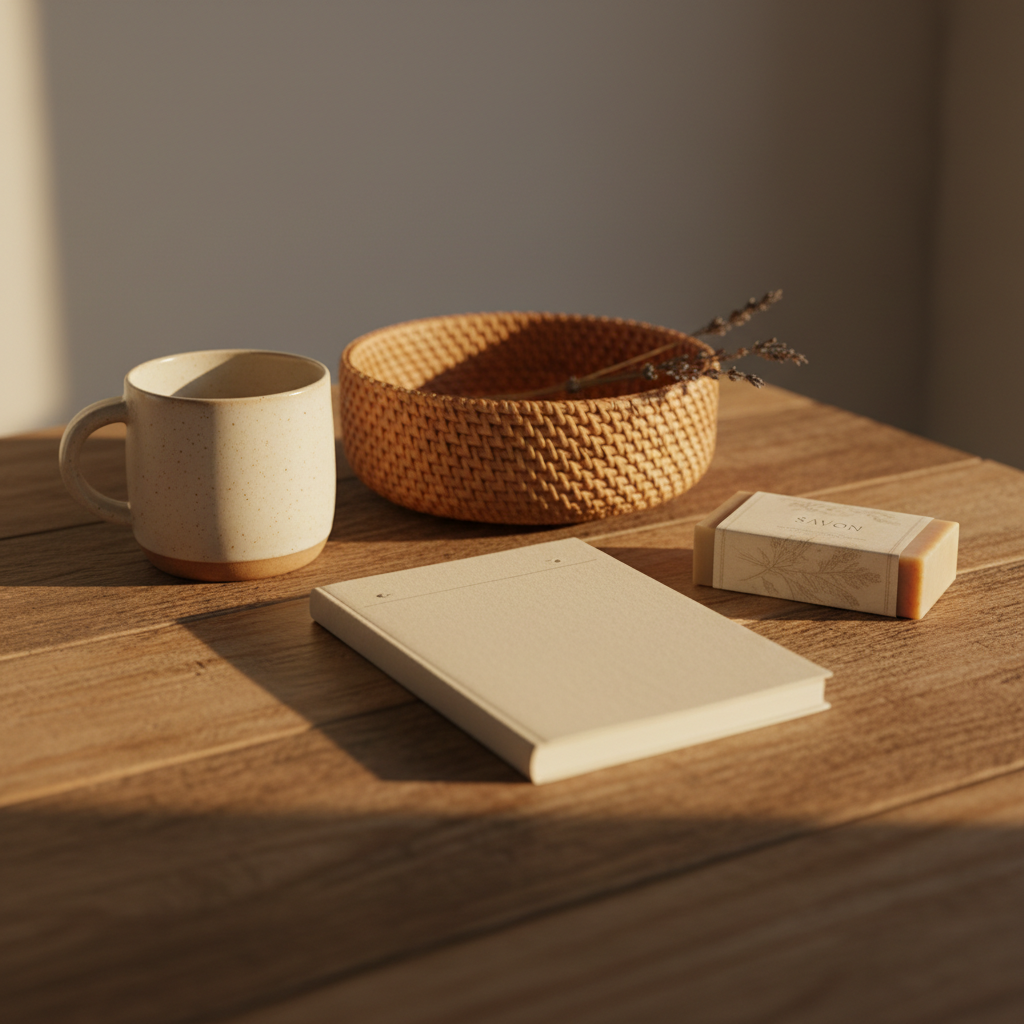
Instead of the outdated method of color-blocking, group your objects by material. Place a set of heavy stoneware mugs near a matte ceramic pitcher, or stack wooden bowls next to a timber-framed photograph. This approach emphasizes the tactile quality of the materials rather than just their pigment. To ground each grouping, include one organic element in every vignette. A smooth river stone, a handful of dried eucalyptus, or a piece of driftwood brings an unrefined texture that balances the clean lines of the shelving.
When arranging, vary the heights of your everyday home essentials to create a natural flow. Use a few vertical books as a pedestal for a small clay bowl. By focusing on material clusters and intentional gaps, you transform a utility shelf into a curated display that feels both functional and serene.